.JPG)
Table of Contents
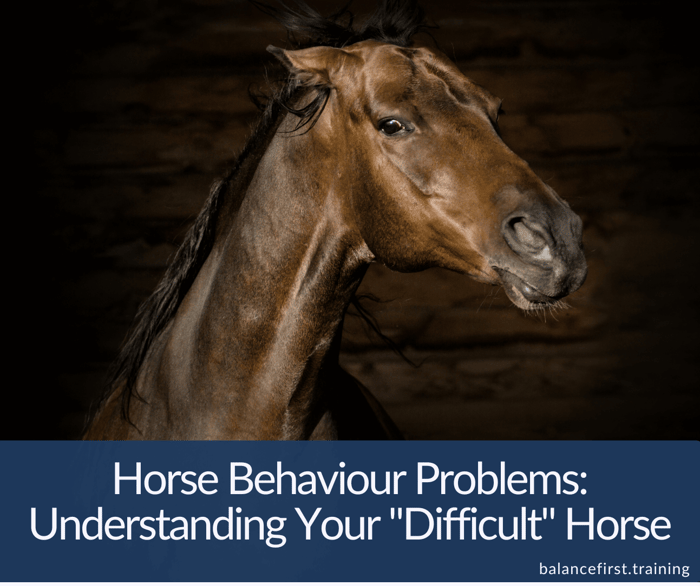
Horse behaviour problems are one of the most common frustrations owners face. A horse that pins its ears, resists the hand, or seems unusually excitable is often labelled as “grumpy,” “lazy,” or “difficult.” But these behaviours are important signals - messages your horse is sending to let you know that something is not right. The behaviours are never just "attitude", and when we learn to listen, what looks like misbehaviour becomes communication, and that shift can transform conflict into harmony.
 Listen to your horse - he is probably trying to tell you something
Natural Asymmetry in Body and Mind
Every horse is born with a degree of natural asymmetry. Just as humans tend to be right- or left-handed, horses have a dominant front and hind leg, and the muscles on one side of the body are shorter and tighter than the other. This can manifest in crookedness, uneven muscle development, and a tendency to bend more easily in one direction.
Physical asymmetry: A horse may naturally carry more weight on one shoulder, hang on the bridle, step shorter with one hind leg, or find one lead easier than the other. These imbalances are part of the horse’s natural design and don't cause a problem until we add the weight of a rider. They are not “bad behaviour”. The horse is just trying to survive and keep himself and the rider safe.
Mental asymmetry: Because body and mind are inseparable, physical crookedness often creates mental imbalance. When asymmetry is ignored, it can create strain in the shoulders and emotional resistance, which the horse expresses through behaviour. A horse that struggles to bend left may also resist left‑handed tasks, showing frustration or avoidance. What looks like stubbornness is often the horse’s way of coping with imbalance.
Training implications: When we ignore asymmetry, horses may become defensive, grumpy, or resistant. But when we patiently address it through progressive gymnastic exercises, starting from the ground, and awareness of their natural asymmetries, we can help the horse find comfort and confidence.
Reflection: Recognising asymmetry shifts our perspective. Instead of labelling a horse as “difficult,” we see a body and mind struggling to survive with imbalance. Supporting them with empathy and correct training builds trust and partnership.
 Natural asymmetry causes conflicts under saddle - but your horse is just trying to survive and keep you both safe
Diet & Energy
Nutrition is one of the most overlooked causes of horse behaviour problems. Horses are incredibly sensitive to what they eat, and the balance of energy sources in their diet can directly shape mood and behaviour.
Too much energy: A diet high in starch or sugar can leave a horse “hot,” restless, or overexcitable.
Too little energy: On the other hand, a horse lacking adequate calories may appear sluggish, irritable, or resistant to work. Hunger and fatigue can masquerade as “bad attitude.”
Prioritise constant forage: A horse’s stomach produces acid continuously, whether or not food is present. Unlike humans, they don’t stop secreting gastric acid between meals. Without a near-constant supply of forage, that acid can begin to damage the stomach lining, leading to ulcers, discomfort, and behavioural changes. Forage acts as both a physical buffer and a psychological comfort. Chewing stimulates saliva production, which neutralises stomach acid, and grazing satisfies their innate need for steady intake. The right balance depends on the individual horse, but the principle is universal: long gaps without forage are unnatural and harmful. Providing ad-lib hay or carefully managed pasture access is one of the most powerful ways to support both physical health and emotional well-being.
Nutritional imbalances: Deficiencies in vitamins, minerals, or protein can also manifest as behavioural issues. For example, magnesium deficiency has been linked to nervousness and tension.
Feed sensitivities: Sensitivities to some feeds may alter a horse's behaviour.
Reflection: Next time your horse seems unusually energetic or grumpy, consider whether their diet matches their workload and lifestyle. Adjusting feed can be a powerful way to restore balance.
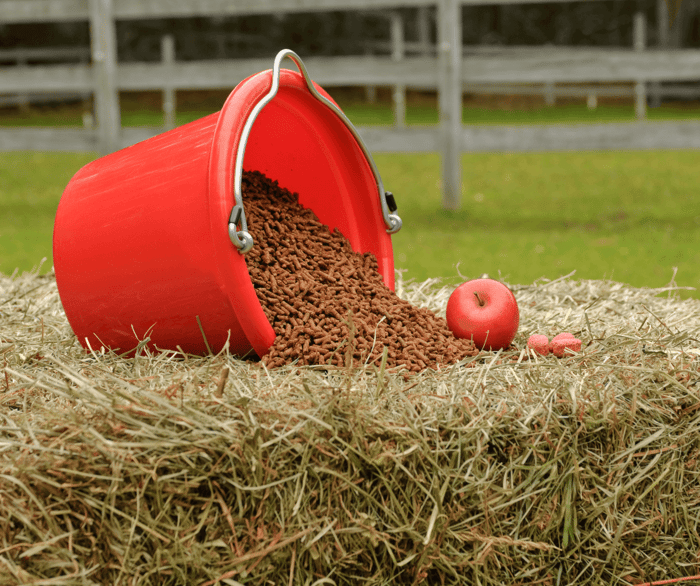 Feeding and forage need to be well thought out to meet your horse's needs
Pain & Discomfort
Pain is one of the most common and most misunderstood reasons horses show undesirable behaviours. What looks like defiance may simply be pain or discomfort.
Saddle fit: A poorly fitting saddle can pinch, rub, or create pressure points. Horses may react by hollowing their back, refusing to move forward, or bucking.
Dental issues: Sharp teeth or uneven wear can make accepting a bit or pressure from a cavesson noseband painful. Resistance to pressure on the nose, or head tossing, may be a sign that your horse needs dental care.
Hoof pain: From abscesses to hoof imbalance to poor trimming, hoof discomfort can lead to reluctance to move, shortened strides, or even aggression when asked to work.
Musculoskeletal strain: Just like us, horses can suffer from sore muscles, tightness, or injuries. Behavioural changes often appear before obvious lameness.
Reflection: If your horse’s behaviour suddenly changes, ask yourself: could pain be the cause? A qualified body worker and/or veterinary check, saddle fitting, and/or dental check may help you find the cause.
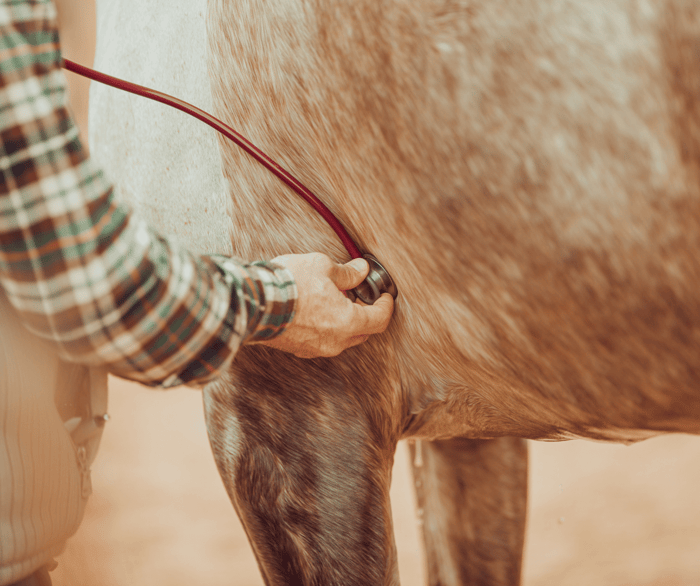 Behavioural issues can be an early sign that something is wrong - consider a vet check
Home Environment & Lifestyle
Horses are herd animals designed for movement, grazing, and social interaction. When their environment restricts these natural behaviours, frustration and behaviour problems often follow.
Limited turnout: Horses confined to stables for long periods may develop stereotypies (cribbing, weaving) or show erratic behaviour during training or under saddle. Horses need daily turnout, ideally several hours or more, to move freely and express natural behaviours. Imagine living in a small bathroom with only a window to stick your head out for air. Being ridden or longed once a day is not enough.
Lack of social contact: Horses thrive on companionship. Isolation can lead to anxiety, depression, or aggression.
Avoid over-rugging: Horses regulate their body temperature upward more effectively than downward, so too many or overly heavy rugs can cause overheating. The right rug weight depends on the individual horse. Consider whether they’ve been clipped, the natural thickness of their coat, and the actual weather conditions. Cold, wet, and windy days may call for protection, but in cold and dry weather, many horses cope well without rugs. Listen to your horse. Thoughtful rugging supports comfort without compromising natural regulation.
Reflection: Consider whether your horse’s lifestyle meets their need for “Friends, Forage, Freedom.” Even small changes - more turnout, a lighter rug, or a companion - can dramatically improve behaviour.
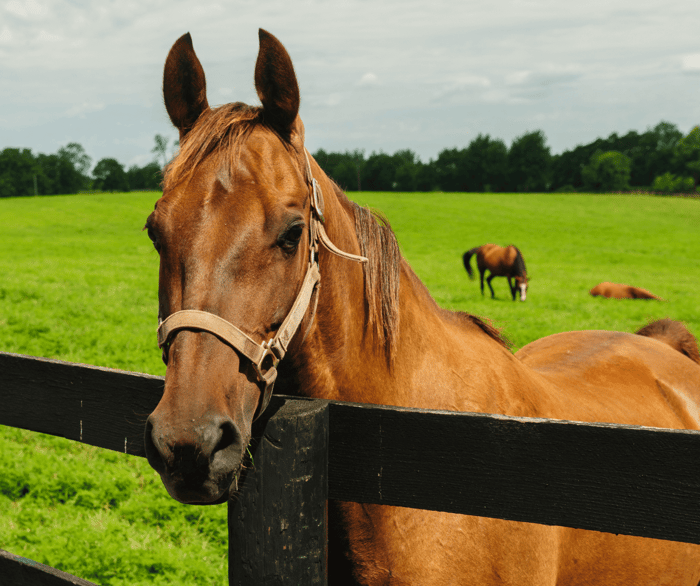 Over rugging, a lack of turnout or a lack of company can cause behavioural problems
Environment & Emotional Safety
Horses are herd animals, hard‑wired to seek safety in numbers and familiar surroundings. When that sense of security is disrupted, behaviour often changes.
Separation anxiety: Many horses struggle when taken away from their companions. This can be very difficult to deal with, but it is simply survival instinct. Alone, they feel vulnerable, and their behaviour reflects that fear.
Safe zone vs. stress zone: Horses thrive in environments where they feel safe and predictable. When pushed too far, too fast, into the stress zone, they may show resistance, tension, or panic. Progress happens when we stretch their comfort zone gently, not when we overwhelm them.
Strange environments: New places can trigger anxiety if the horse isn’t prepared. Sudden exposure without gradual acclimation can result in spooking, bucking, or bolting. With controlled introduction to new environments, horses learn to trust new spaces.
Reflection: A horse’s environment affects their emotional state. By respecting their need for safety, gradually expanding their comfort zone, and preparing them for new experiences, we build confidence.
Routine and Rhythms
Horses are creatures of habit. They find comfort in predictable routines and rhythms. When these are disrupted, behaviour can change.
Inconsistent schedules: Feeding or turnout at irregular times can create anxiety. Horses learn to anticipate routine, and unpredictability can feel stressful.
Training rhythm: Horses benefit from a balance of work and rest. Overtraining can lead to sourness and muscle pain, while undertraining may cause boredom and "fresh" behaviour.
Natural rhythm (daily management patterns): Horses thrive on predictable routines shaped by feeding, turnout, and training schedules. When these patterns are inconsistent, horses often show anxiety or resistance because they anticipate and rely on regularity. For example, irregular feeding times can make them unsettled, while a balanced rhythm of work and rest helps them stay engaged and relaxed. This is about the external structure we provide in their day‑to‑day care.
Circadian rhythm (biological cycles): Beyond management routines, horses have internal 24‑hour cycles that govern grazing, resting, hormone release, and energy levels. These rhythms are influenced by light and environment, and they continue even if human schedules change. For instance, many horses are naturally calmer and more focused after a grazing period because their biology has settled into its cycle. Working against these rhythms, such as riding immediately after long confinement, often results in tension. This is about the internal clock that shapes how their body and mind function.
Reflection: When we align the external routines we create with the horse’s internal biological rhythms, we reduce stress and build harmony. Management and biology are two sides of the same coin.
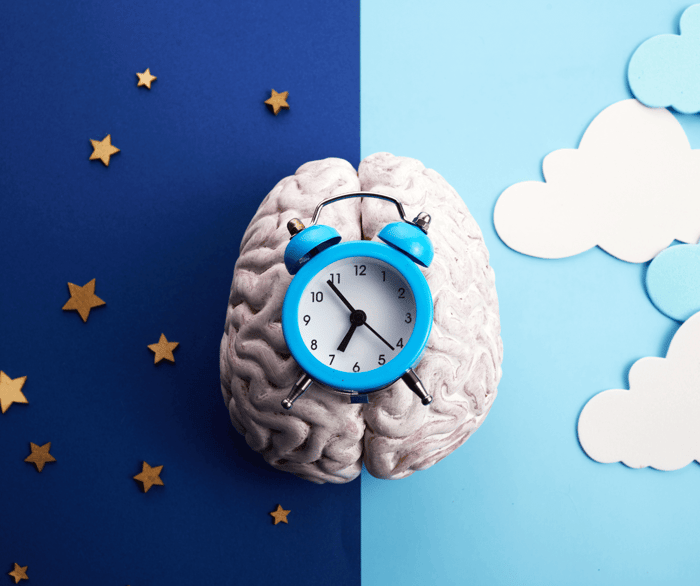 Consider your horse's circadian rhythm and work with it not against it
Listen To Your Horse
When we pause to listen, we uncover the real needs behind horse behaviour problems. Addressing pain, adjusting diet, offering more freedom, or shifting training schedules can reduce or even eliminate conflicts.
Instead of seeing a “bad mood,” we begin to see a message, and that message can guide us toward a deeper partnership. Listening means understanding the cause and responding with empathy.
Reflection for You
Have you ever discovered that your horse’s “bad mood” was really a message? Perhaps a saddle adjustment, a change in feed, or more turnout time transformed your relationship. Share your story in the comments. Your experience might help someone else see their horse with new eyes.
📌 Key Takeaways
Behaviour is communication, not "naughtiness".
Diet, pain, environment, and routine are common hidden causes of “grumpiness.”
Listening to signals builds trust and partnership.
Small changes can create profound transformations in your horse’s well-being.
Find out more
To find out more about how my approach to training for the long-term physical, mental and emotional benefit of your horse, visit my website at About Balance First.
Struggling to keep your horse motivated? You’re not alone. Many common training frustrations come from hidden pitfalls that block progress and partnership. Download my free guide - 5 Common Pitfalls in Motivating Your Horse and What To Do To Avoid Them - and learn practical, welfare‑friendly strategies to keep your horse engaged, willing, and happy in their work.
FAQs
Why does my horse seem grumpy even when they’re healthy?
Grumpiness is often a messenger rather than a personality trait. Even if your horse appears outwardly healthy, subtle factors like minor discomfort, inconsistent routines, or dietary imbalances can create irritability. Behaviour is communication. It’s worth investigating the underlying cause rather than assuming “attitude.”
How can diet affect my horse’s behaviour?
Diet directly influences energy levels and mood. Too much starch or sugar can make a horse excitable or restless, while too little energy can leave them sluggish and irritable. Nutritional imbalances, such as mineral deficiencies, may also contribute to tension or resistance. Matching diet to workload and lifestyle is essential.
Do horses really need forage available all the time?
Yes. Horses produce stomach acid continuously, whether or not they are eating. Without near-constant forage, this acid can damage the stomach lining, leading to ulcers and discomfort. Chewing forage stimulates saliva, which helps neutralize acid. Providing ad-lib hay or carefully managed pasture access supports both physical health and emotional well-being.
When should I rug my horse and when should I avoid it?
Rugging should be tailored to the individual horse. Horses regulate heat upward more effectively than downward, so over-rugging can cause overheating. Consider whether your horse is clipped, the thickness of their coat, and the weather conditions. Cold, wet, and windy days may call for rugs, but in cold, dry weather, many horses cope well without them.
How does routine influence behaviour?
Horses thrive on predictability. Irregular feeding, turnout, or training schedules can create stress and anxiety. Think about your own daily routines and how you are affected when they are disrupted. A consistent rhythm helps them feel secure, while balancing work and rest prevents both boredom and resistance. Observing your horse’s natural daily patterns and aligning routines accordingly can make a significant difference.